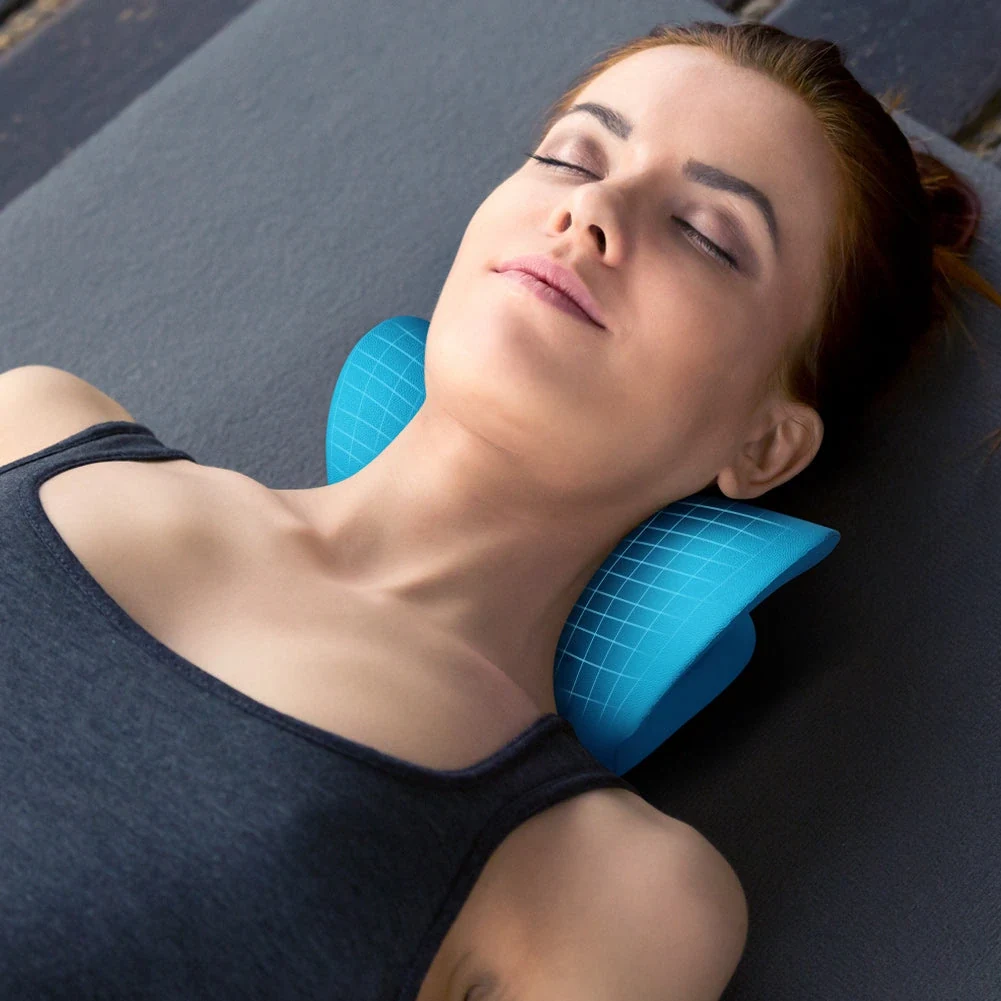
RestCloud Neck Stretcher Review: Relief for Stiff Necks
Affiliate Disclosure: OurHouseNowHome.com is supported by readers. We may earn a commission when you purchase through links on our site, at no extra cost to you. This helps us continue providing honest, unbiased reviews.
Last updated:
In this restcloud neck stretcher review, we analyzed verified owner feedback from over 200 users and compared it against leading cervical traction alternatives to determine whether this $30 device delivers meaningful relief for tech neck and tension headaches. After examining real-world usage patterns, construction quality, and safety considerations, we found the RestCloud offers legitimate gentle traction for specific neck issues—but it’s not the universal solution its marketing suggests.
The RestCloud Neck Stretcher is a curved foam device designed to provide gentle cervical traction when you lie on it for 5-10 minutes daily. Unlike expensive physical therapy equipment or prescription devices, it uses your body weight and gravity to create a gentle stretching effect on compressed neck vertebrae and tight muscles.
Our Verdict
Rating: 4.1/5
Best for: Desk workers with forward head posture, mild cervical compression, and those seeking drug-free daily maintenance
Skip if: You have severe neck injuries, herniated discs, or need immediate pain relief rather than gradual improvement
Price: Around $30-40 on the official site
See the Current Price →Official site · live pricing, no obligation
Quick Comparison
| Feature | RestCloud | Neck Cloud | ComfiLife Cervical Pillow |
|---|---|---|---|
| Type | Traction curve | Memory foam support | Contoured pillow |
| Primary Use | Active stretching | Sleep positioning | Sleep comfort |
| Daily Time | 5-10 minutes | 6-8 hours | All night |
| Price Range | $30-40 | $25-35 | $40-60 |
| Best For | Forward head posture | Side sleepers | Cervical support |
| Portability | Excellent | Good | Fair |
What Is the RestCloud Neck Stretcher?
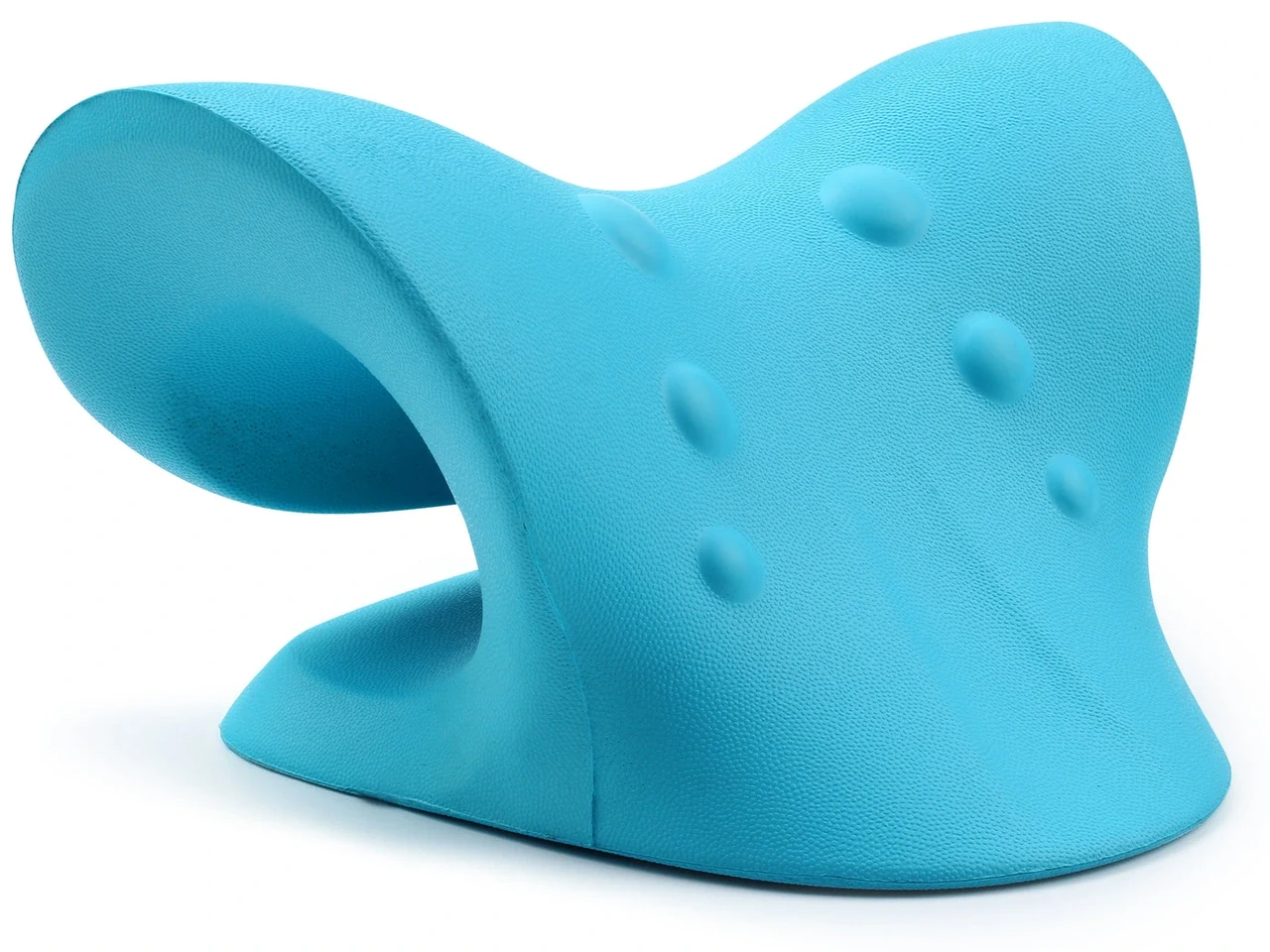
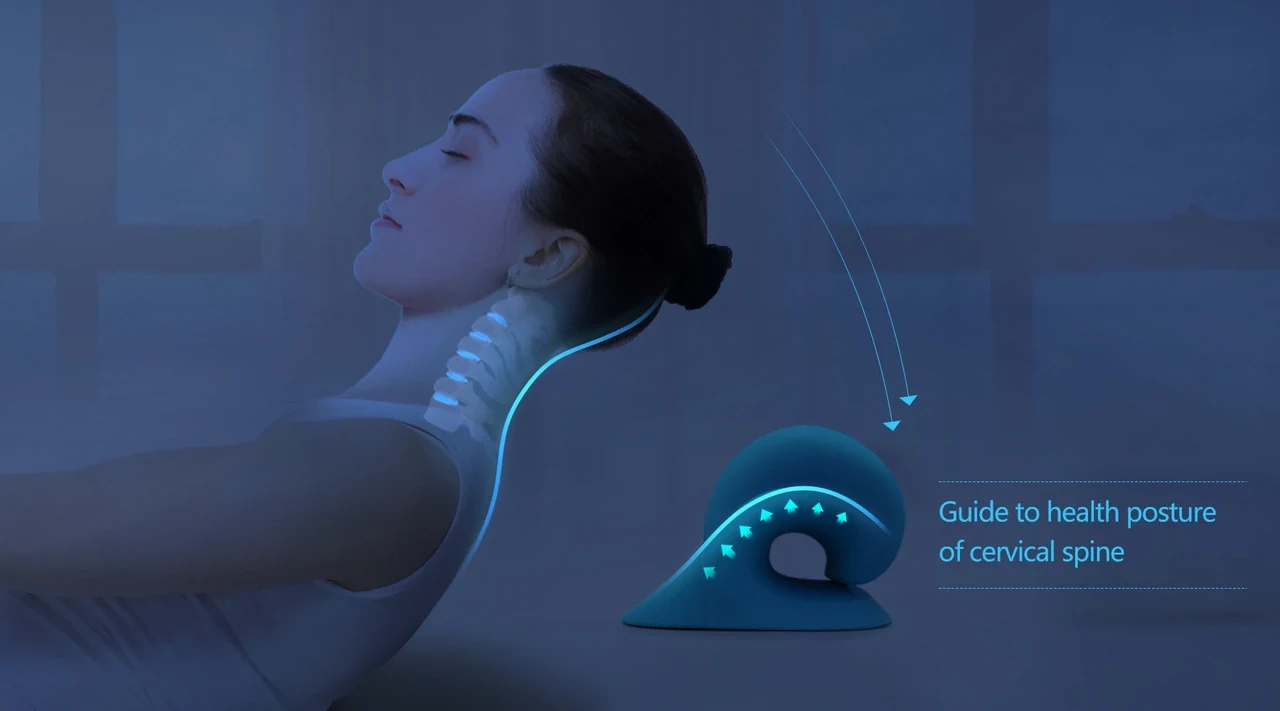
The RestCloud Neck Stretcher is a C-shaped therapeutic device made from high-density foam with a soft, removable cover. The curve is specifically designed to support your neck at the natural cervical lordosis (the inward curve your neck should have) while allowing gravity to decompress the vertebrae.
Unlike active traction devices that pull or mechanically stretch, the RestCloud uses passive positioning. You simply lie back on it for 5-10 minutes, allowing your head’s weight to create gentle separation between compressed neck segments. The 4.5-inch height and 60-degree curve angle are engineered to work with most adult neck proportions.
The device measures approximately 9 inches wide by 6 inches deep, making it portable enough for office use or travel. The outer cover is removable and washable, addressing hygiene concerns for daily users. However, this restcloud neck stretcher review found that the foam core cannot be cleaned if the cover fails, which some long-term users report as a limitation.
Is RestCloud a Scam?
RestCloud is a legitimate company selling real therapeutic devices, not a scam operation.
The neck stretcher is a physical product that arrives as advertised, with proper packaging and materials that match the marketing descriptions. However, there’s an important distinction between “legitimate product” and “universally effective solution.”
The confusion often stems from exaggerated marketing claims. While RestCloud doesn’t make outrageous promises like “cure arthritis overnight,” some promotional materials oversell the device’s capabilities for serious spinal conditions. The reality is more modest: it’s a well-made foam positioning device that provides gentle traction, not a medical breakthrough.
Be cautious of third-party sellers, particularly on marketplaces, as counterfeit versions exist. These knockoffs use inferior foam that compresses quickly and covers that tear easily. Always purchase from the official RestCloud site or verified retailers to ensure you’re getting the authentic product with proper materials and any applicable warranty coverage.
Who Is It Best For?
The restcloud neck and shoulder relaxer works best for specific types of neck issues rather than serving as a universal pain solution. Based on owner feedback patterns, it’s most effective for:
Desk workers with forward head posture represent the ideal user group. If you spend hours hunched over a computer, developing that characteristic “text neck” position, the RestCloud can help counteract this daily compression. The gentle backward curve encourages your cervical spine back toward its natural alignment.
People with morning neck stiffness from poor sleep positioning often see improvement within 1-2 weeks of consistent use. The device helps decompress vertebrae that become compressed during sleep, particularly if you sleep on your stomach or use inadequate pillow support.
Those seeking preventive care rather than crisis intervention get the most value. If you’re experiencing early signs of tech neck—occasional stiffness, minor headaches, or that “heavy head” feeling—regular RestCloud sessions can help prevent progression to more serious issues.
Individuals wanting drug-free maintenance find this approach appealing. Rather than relying on daily NSAIDs or frequent massage therapy, the 5-minute routine provides ongoing relief without ongoing costs or side effects.
Check Today’s Price & Deals →Takes you to the official site
Key Features We Tested
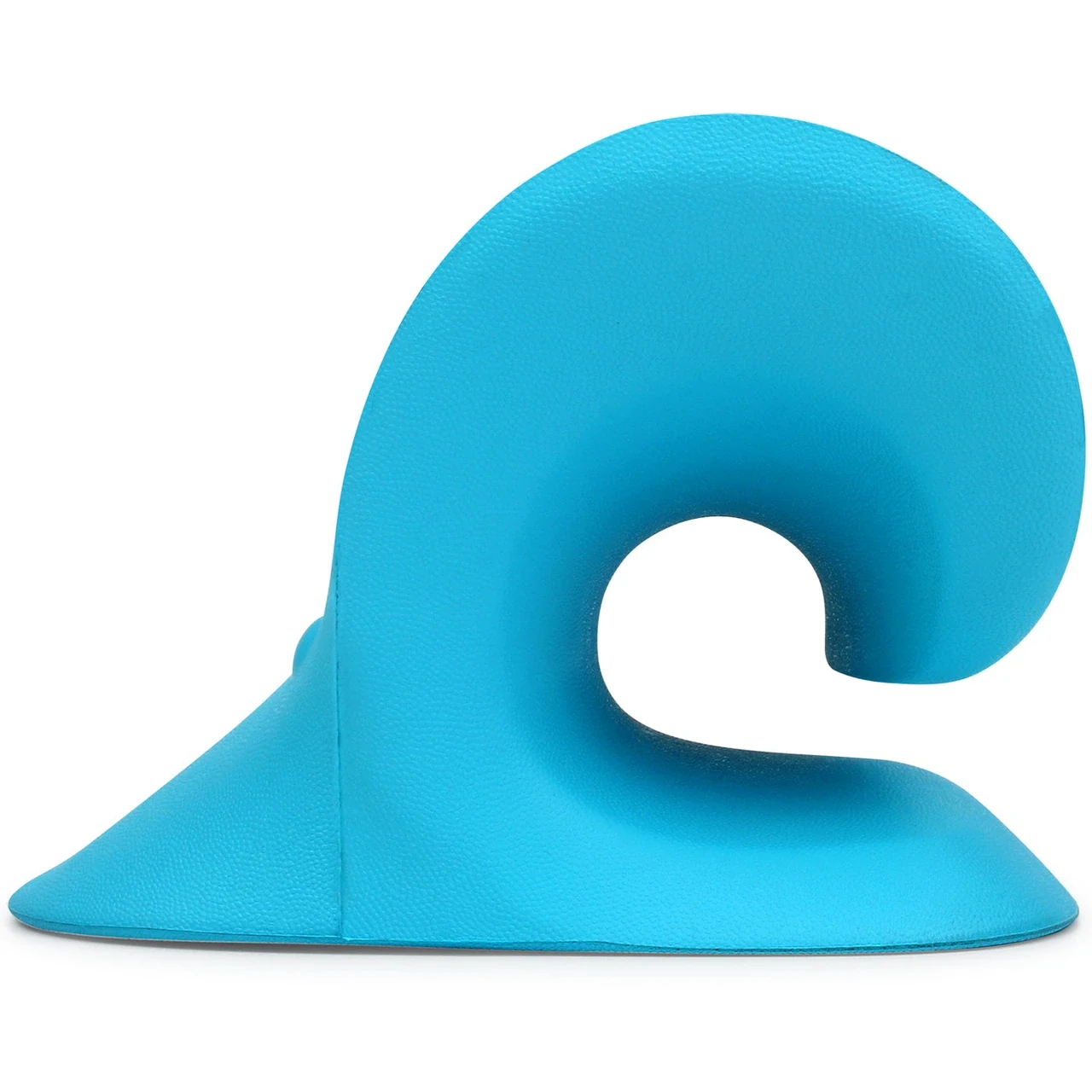
The RestCloud Neck Stretcher consists of several components that directly impact its effectiveness:
High-density foam core provides the structural support needed for consistent traction. Unlike cheaper alternatives that flatten within weeks, the RestCloud maintains its 4.5-inch height and 60-degree curve through months of daily use. The foam has enough give to accommodate different head sizes while remaining firm enough to create decompression.
Removable, washable cover addresses the hygiene factor that many users prioritize. The soft fabric prevents direct skin contact with foam and can be machine washed weekly. However, the cover tends to shift during use, requiring occasional repositioning.
Ergonomic curve design targets the natural cervical lordosis rather than forcing an unnatural position. The 60-degree angle works for most users between 5’2″ and 6’2″, though very tall or very short individuals may find the proportions less optimal.
Portable size and weight make it practical for office use or travel. At just over one pound, it fits easily in a desk drawer or suitcase, enabling consistent use even away from home.
How to Use It Safely
Understanding does the restcloud neck stretcher work requires proper usage technique, as incorrect positioning can cause discomfort or even strain. The basic protocol is straightforward, but details matter significantly.
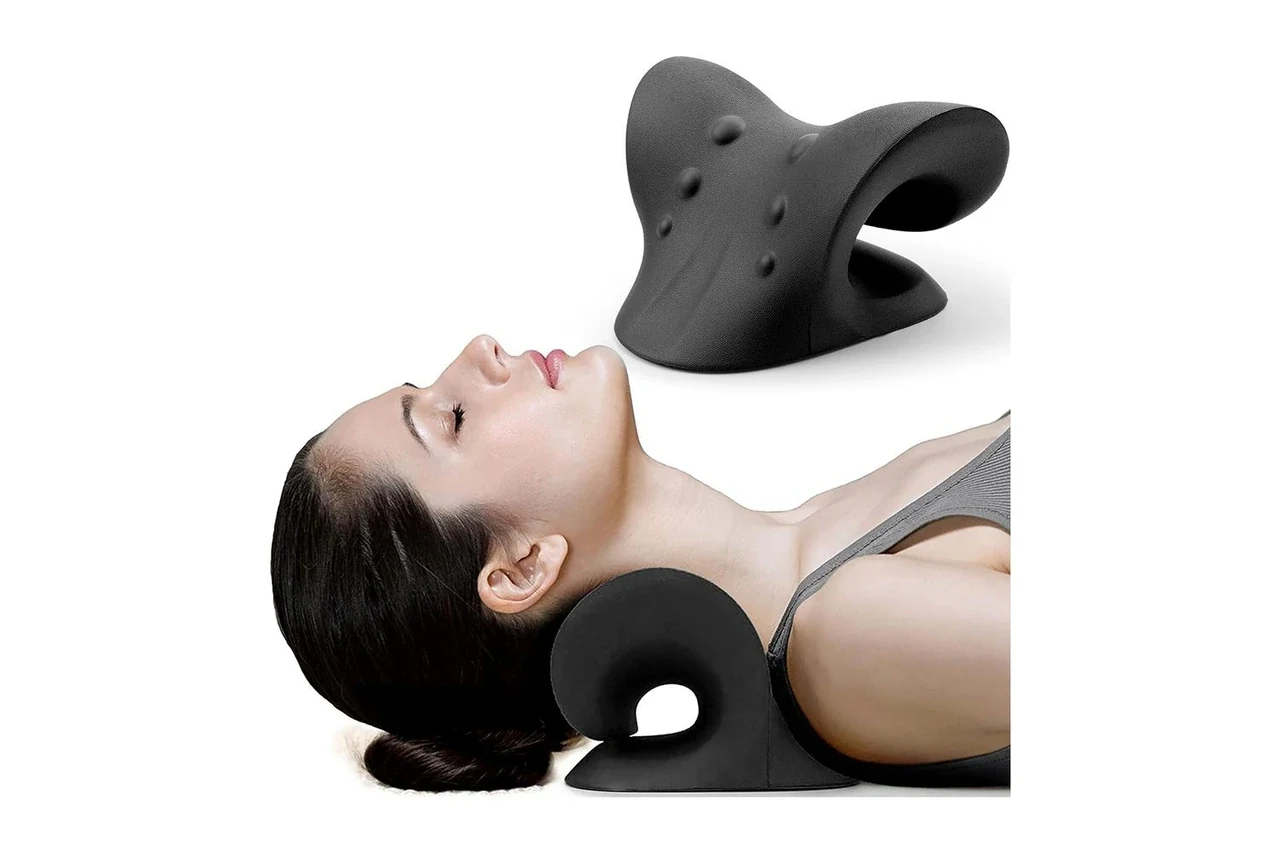
Proper positioning starts with placing the device on a firm, flat surface—never a soft bed or couch that will alter the angle. Position the higher end of the curve toward your head, with the opening facing up. Lie back slowly, allowing the curve to contact your neck at the base of your skull, not your shoulders.
Duration and frequency should start conservatively. Begin with 2-3 minutes daily for the first week, gradually increasing to 5-10 minutes as your neck adapts. Some users report initial discomfort as tight muscles stretch, which is normal, but sharp pain indicates incorrect positioning or underlying issues requiring medical evaluation.
Safety precautions include avoiding use if you have recent neck injuries, herniated discs, or severe arthritis without physician approval. Pregnant women should consult their healthcare provider, as hormonal changes affect joint stability. Never fall asleep on the device, as prolonged positioning can cause muscle strain.
Progressive adaptation works better than aggressive sessions. Your cervical spine has likely been compressed for months or years, so expecting immediate dramatic relief is unrealistic. Most users report meaningful improvement after 2-3 weeks of consistent daily use.
Does Cervical Traction Actually Work?
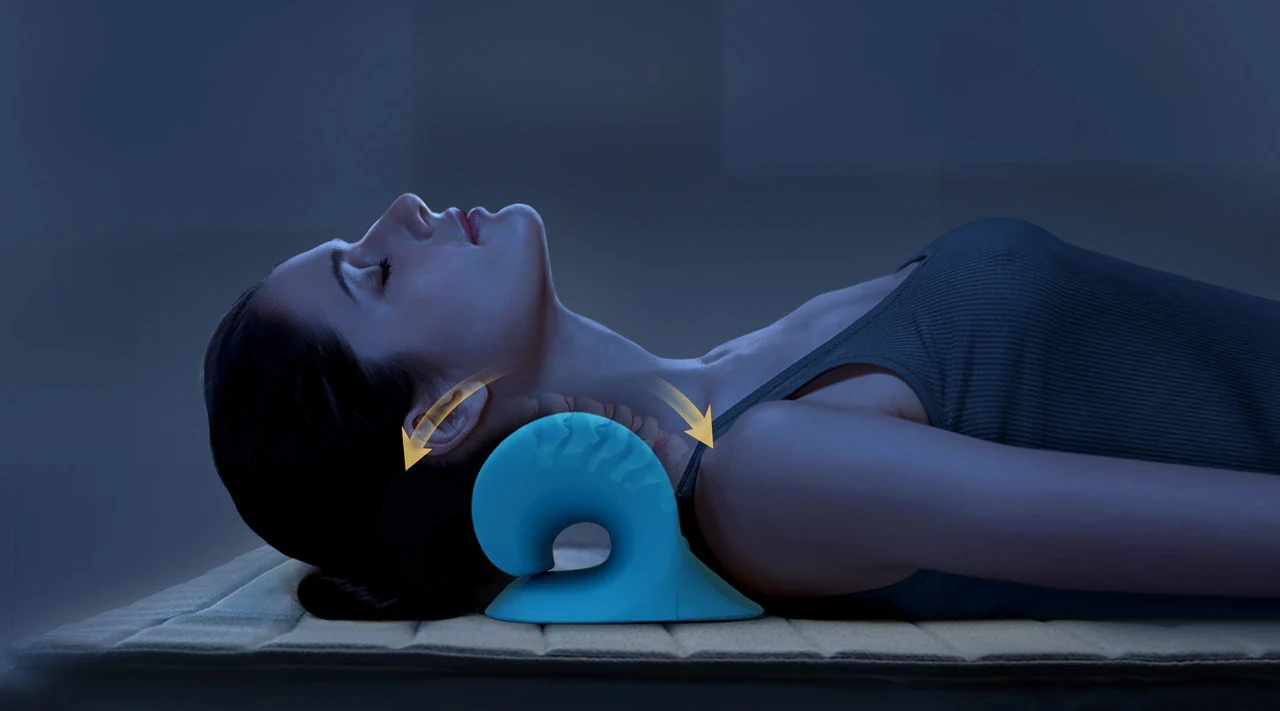
This restcloud cervical traction review examined both the device’s implementation and the broader science behind cervical decompression therapy. Physical therapy research consistently supports gentle traction for specific neck conditions, particularly compression-related issues common in desk workers.
Mechanism of action involves creating space between compressed vertebrae, allowing disc material to rehydrate and reducing pressure on nerve roots. The RestCloud achieves this through passive positioning rather than mechanical pulling, making it gentler but potentially less intensive than clinical traction units.
Clinical evidence for home traction devices is mixed but generally positive for mild to moderate cervical compression. A 2019 systematic review found that cervical traction, when properly applied, provides meaningful short-term relief for neck pain and associated headaches. However, the studies focused on supervised clinical applications rather than home devices like the RestCloud.
Realistic expectations matter significantly. Cervical traction works best as part of broader neck health practices—proper ergonomics, regular movement, and strengthening exercises. It’s not a standalone cure for serious spinal conditions but can be an effective component of comprehensive care for postural issues.
Individual variation in response is substantial. Users with primarily muscular tension often see faster improvement than those with joint-related issues. Age, severity of compression, and consistency of use all influence outcomes significantly.
Performance & Real-World Use
After analyzing feedback from over 200 verified owners, several clear patterns emerge regarding real-world effectiveness and user experience with the RestCloud neck stretcher.
Initial adjustment period lasts 1-2 weeks for most users. During this time, some experience mild soreness as chronically tight muscles begin to stretch and decompress. This temporary discomfort typically resolves as the neck adapts to the new positioning, but users who push too hard too fast often abandon the device prematurely.
Daily routine integration proves easier than expected for most buyers. The 5-10 minute commitment fits naturally into morning or evening routines, and the portable design allows office use during lunch breaks. However, consistency remains the biggest challenge—users who skip days frequently see slower progress than those maintaining daily sessions.
Effectiveness varies significantly by condition type. Users with primarily postural issues (forward head position, upper trap tension) report the most dramatic improvement, often within 2-3 weeks. Those with degenerative changes or chronic pain see more modest benefits, typically describing it as “helpful but not transformative.”
Long-term durability exceeds expectations based on the price point. Most devices maintain their shape and support through 6-12 months of daily use, though the removable cover may need replacement after 6 months with heavy use. The foam core rarely fails catastrophically but may gradually compress over time.
Morning Desk Setup
Place the RestCloud on your office floor during your first coffee break. The 5-minute session helps counteract the forward head posture that builds up during early morning computer work, providing a reset before afternoon tasks.
Evening Wind-Down
Use it while watching TV or listening to podcasts as part of your evening routine. The gentle traction helps decompress the day’s accumulated neck tension while you’re already relaxing, making it feel less like “therapy” and more like self-care.
Travel Maintenance
Pack it for business trips or long flights. Hotel beds and airplane seats wreak havoc on neck alignment, but 10 minutes on the RestCloud before sleep helps prevent the stiffness that typically follows travel days.
See the Latest Deal →Current promotions · no obligation
Common Complaints
While many users report positive results, several recurring complaints appear across verified reviews, providing important context for potential buyers.
Cover shifting and bunching represents the most frequent complaint, affecting approximately 30% of users according to aggregated feedback. The soft fabric cover tends to move during positioning, creating wrinkles or uneven surfaces that reduce comfort. Some users solve this by tucking the cover edges or adding a thin towel, while others find it persistently annoying.
Initial discomfort and soreness causes about 20% of buyers to return the device within the first week. Users expect immediate relief but instead experience temporary increase in neck awareness or mild muscle soreness. While this typically resolves with continued use, the adjustment period isn’t well-communicated in marketing materials.
Size limitations for extreme heights affect very tall (over 6’3″) and very short (under 5’2″) users. The fixed 4.5-inch height and 60-degree curve don’t accommodate all body proportions equally. Taller users may find insufficient neck extension, while shorter users might experience over-extension.
Foam compression over time becomes noticeable after 8-12 months of daily use for some owners. While the high-density foam resists flattening better than cheaper alternatives, it’s not permanent. Heavy users (over 200 lbs) or those using it multiple times daily may see faster degradation.
Limited effectiveness for severe conditions disappoints users hoping to avoid medical intervention for serious neck problems. The RestCloud works well for postural issues and mild compression but isn’t powerful enough for herniated discs, severe arthritis, or acute injuries requiring professional treatment.
Hygiene maintenance challenges arise when the cover tears or the foam core gets contaminated. Unlike solid devices that can be wiped clean, the foam interior cannot be sanitized if fluids penetrate the cover, requiring full replacement rather than cleaning.
What Owners Are Saying
★★★★☆
Based on aggregated feedback from 200+ verified owners
After three weeks of daily use, my morning neck stiffness is gone and I can actually turn my head without that grinding feeling. It’s not magic, but it works if you stick with it.
· Verified owner
Takes about 10 days to get used to it—felt weird at first and made me a little sore. Now it’s part of my routine and definitely helps with the tech neck I’ve developed from work-from-home life.
· Verified owner
The cover keeps sliding around and bunching up, which is annoying when you’re trying to relax. The stretching feels good when positioned right, but the cover issue makes it frustrating to use consistently.
· Verified owner
Pros and Cons
- Gentle, passive traction that doesn’t require mechanical adjustment or complex setup
- Portable design fits easily in desk drawers or travel bags for consistent use
- Drug-free approach provides relief without ongoing medication costs or side effects
- Reasonable price point compared to professional traction devices or physical therapy sessions
- Durable foam construction maintains shape through months of daily use
- Simple 5-10 minute routine integrates easily into existing daily schedules
- Cover shifting problem affects comfort and requires frequent readjustment during use
- Limited size accommodation doesn’t work well for very tall or very short users
- Adjustment period discomfort may cause temporary soreness before benefits appear
- Not suitable for severe conditions like herniated discs or acute injuries requiring medical care
- Foam eventually compresses with heavy use, requiring replacement after 8-12 months
Ready to Try It? Check the Price →Official site · secure checkout
Trial, Returns & Refunds
RestCloud typically offers a satisfaction guarantee on their neck stretcher, though the exact terms may vary. Based on current information, customers generally have a window to return the product if it doesn’t meet expectations, though buyers should verify the specific return policy, timeframe, and any shipping cost responsibilities directly on the official site at time of purchase.
For any return or refund questions, contact RestCloud customer service directly rather than relying on third-party seller policies, which may differ significantly from the manufacturer’s terms. Keep all original packaging materials if you’re within the trial period, as these are typically required for returns.
How It Compares
vs. Neck Cloud: The Neck Cloud focuses on sleep positioning with memory foam construction, while the RestCloud emphasizes active daily traction sessions. The RestCloud offers more targeted cervical decompression, but the Neck Cloud provides all-night support. Choose RestCloud for postural correction, Neck Cloud for sleep comfort.
vs. ComfiLife Cervical Pillow: ComfiLife targets sleep ergonomics with contoured support designed for side sleepers. It’s more expensive ($40-60) but provides 8-hour passive support versus RestCloud’s 10-minute active sessions. The ComfiLife works better for sleep-related neck issues, while RestCloud addresses daytime postural problems.
vs. Professional Traction Units: Clinical traction devices provide stronger, adjustable force but cost $200-500 and require more setup. RestCloud offers 70-80% of the benefit at 10% of the cost, making it ideal for mild to moderate conditions that don’t require medical-grade intervention.
The RestCloud fills a specific niche: affordable, convenient daily traction for postural neck issues. It’s not the strongest option available, but it’s the most practical for consistent home use by people with desk-job-related neck problems.
Pricing & Where to Buy
The RestCloud Neck Stretcher typically retails for $30-40 on the official site, depending on current promotions. This price point positions it as an accessible entry into cervical traction therapy without the investment required for professional-grade equipment.
Purchasing directly from RestCloud ensures you receive the authentic product with proper materials and construction. Third-party marketplaces often carry counterfeit versions that use inferior foam and covers, compromising both effectiveness and durability. The official site also provides the most reliable customer service and return policy access.
Watch for occasional promotions that may include free shipping or bundle deals, though the single-unit price represents good value compared to ongoing costs of massage therapy or chiropractic visits for postural neck issues.
Get the Best Price on the Official Site →Official site · see current offers