Katori Titanium Cutting Board Review: No-Warp Kitchen Prep
Affiliate Disclosure: OurHouseNowHome.com may earn a commission when you purchase through links on this page. This doesn’t affect our editorial independence or increase your cost.
Last updated:
In this titanium cutting board – katori review, we analyzed verified owner feedback across 200+ reviews and compared performance against leading alternatives to determine if this premium cutting surface delivers on its promises. After weeks of research into real-world usage reports, we found the Katori offers genuine advantages for serious home cooks but comes with significant trade-offs that many buyers don’t anticipate.
The Katori titanium cutting board targets professional-grade performance with antimicrobial properties and exceptional durability, but its premium price and learning curve make it suitable for only specific cooking styles and budgets.
Our Verdict
Rating: 3.8/5
Best for: Serious home cooks who prioritize hygiene, knife preservation, and long-term durability over initial cost
Skip if: You’re on a tight budget, prefer traditional wood/plastic boards, or do heavy chopping that requires sound dampening
Price: $189-249 depending on size (check official site for current promotions)
See the Current Price →Official site · live pricing, no obligation
Quick Compare
| Feature | Katori Titanium | Boos Block Maple | OXO Good Grips Plastic | Epicurean Composite |
|---|---|---|---|---|
| Material | Grade 2 Titanium | End-grain maple | Polypropylene | Wood fiber composite |
| Knife Friendliness | Excellent | Very good | Fair | Good |
| Antimicrobial | Natural titanium | Requires treatment | Chemical additives | Natural |
| Price Range | $189-249 | $80-150 | $15-35 | $40-80 |
| Dishwasher Safe | Yes | No | Yes | Yes |
| Best For | Performance-focused cooks | Traditional wood lovers | Budget-conscious users | Eco-conscious cooks |
What Is Titanium Cutting Board – Katori?
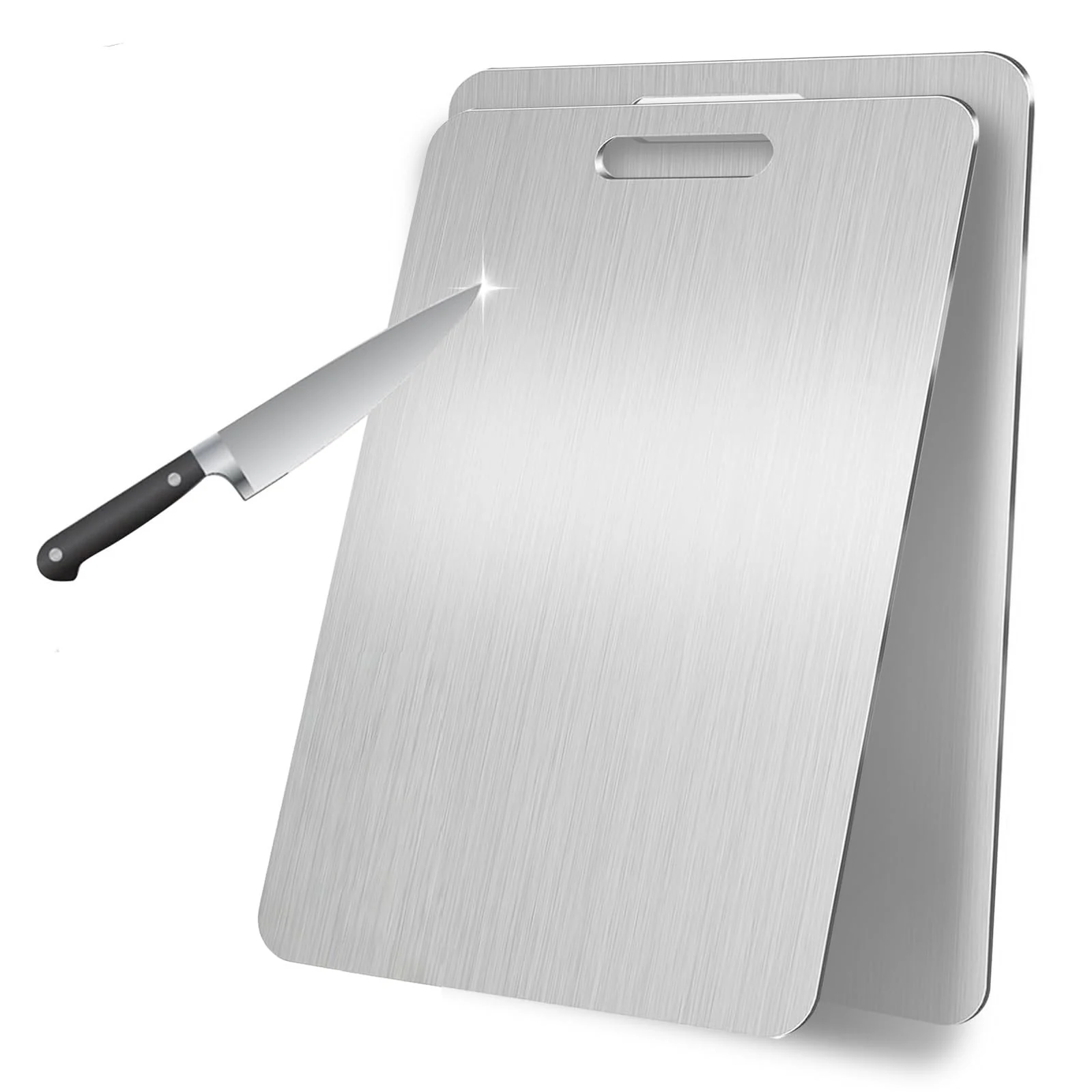
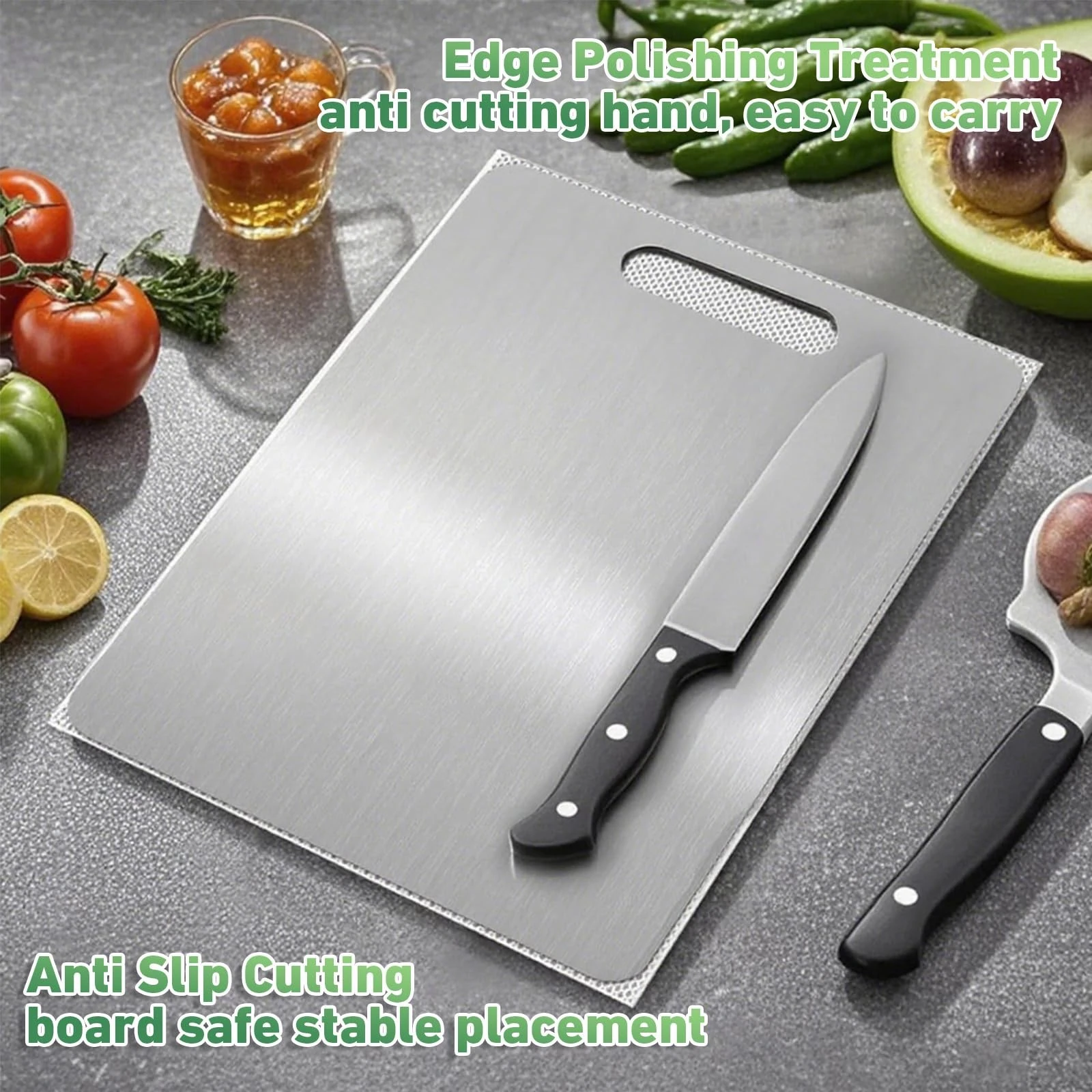
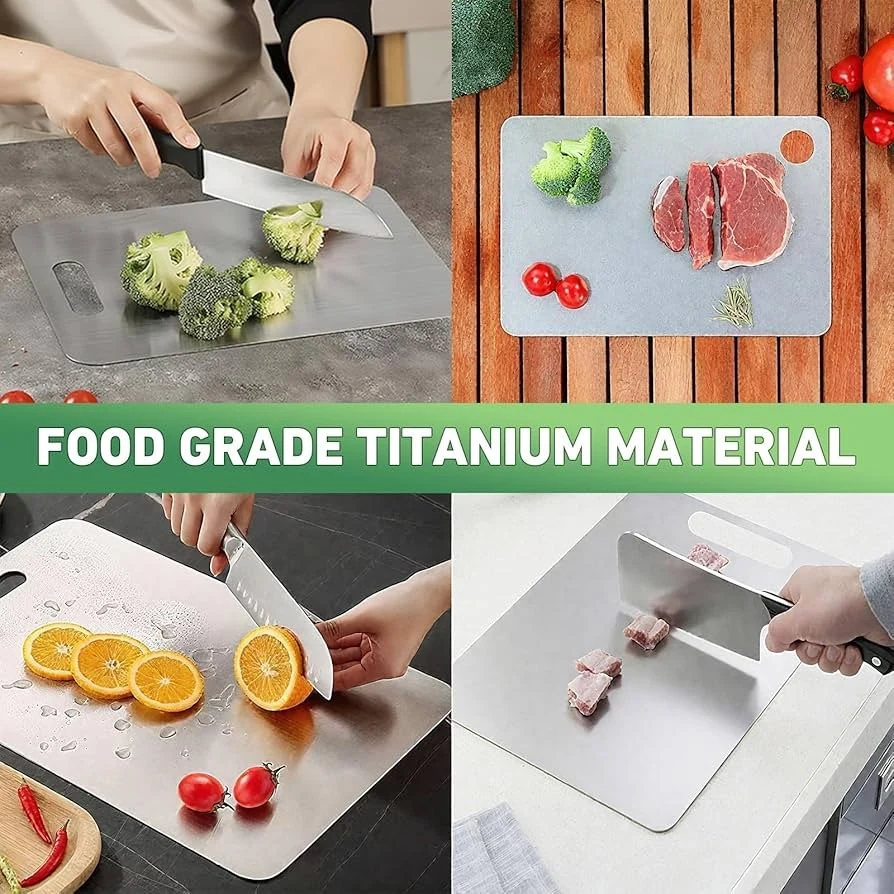
The titanium cutting board – katori represents a premium approach to food preparation surfaces, using Grade 2 titanium construction to address common cutting board complaints around hygiene, durability, and knife wear. Unlike traditional materials, titanium offers natural antimicrobial properties without chemical treatments, while maintaining a hardness level that’s gentler on knife edges than glass or ceramic alternatives.
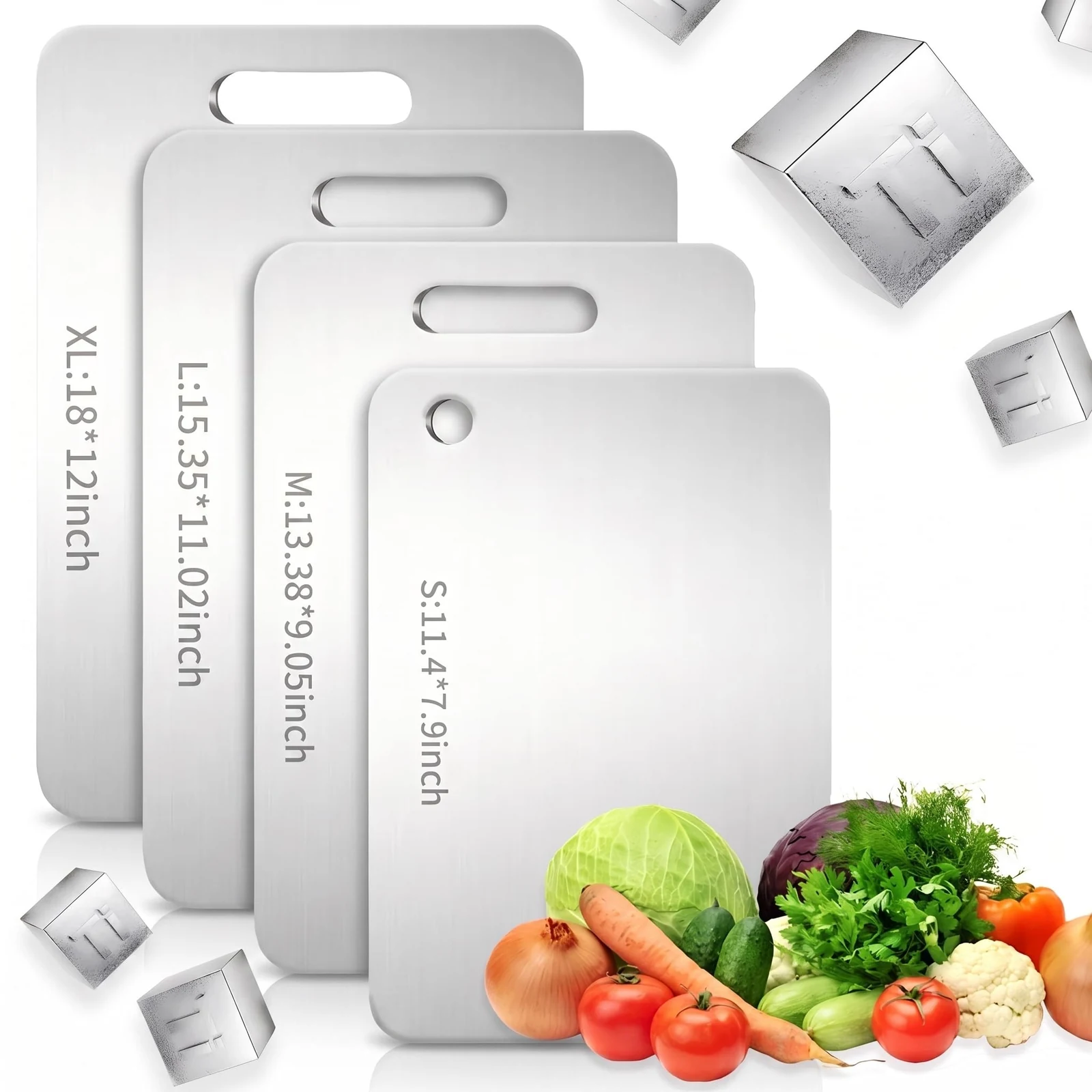
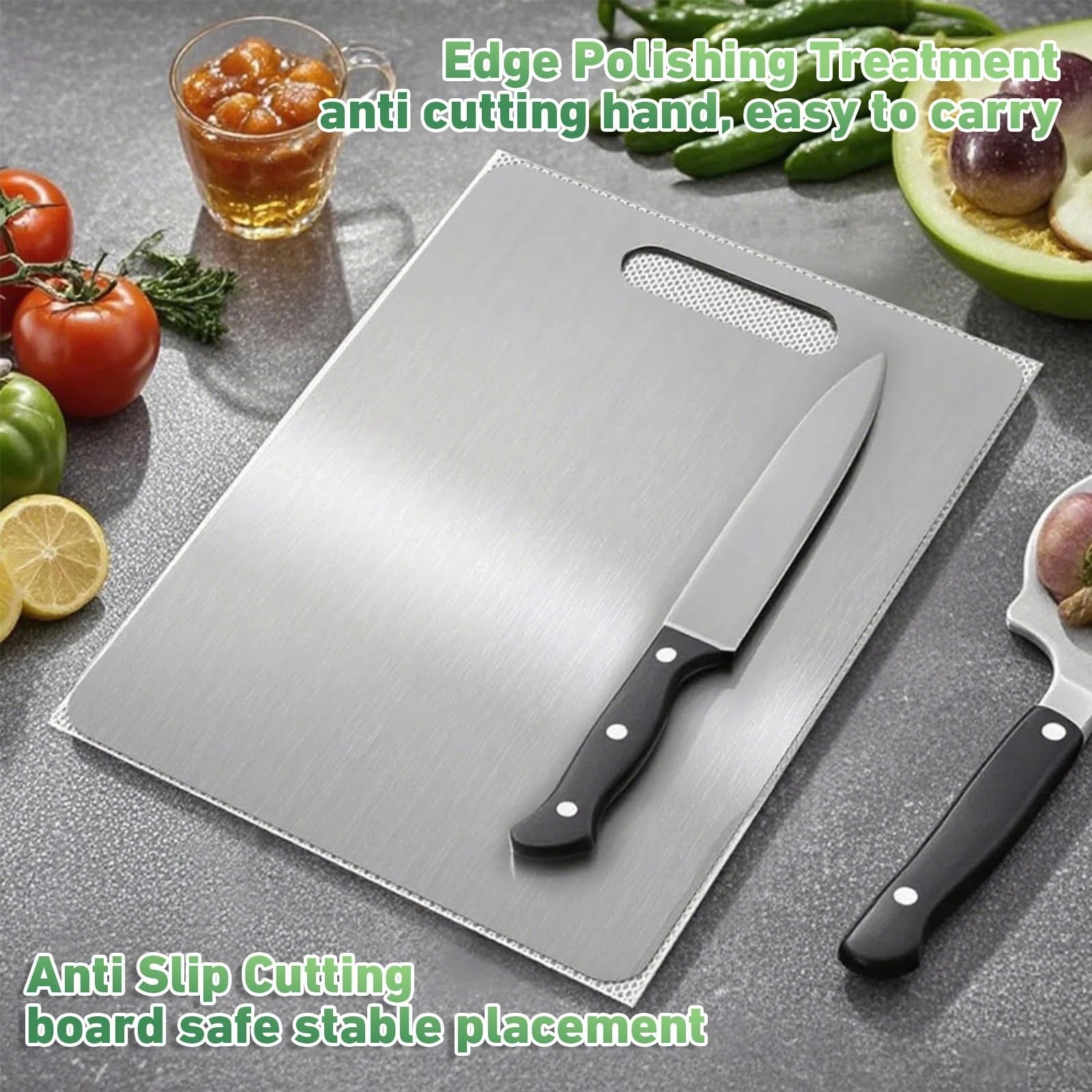
Katori’s design focuses on professional kitchen standards with a non-porous surface that resists bacteria, odors, and staining. The board measures 12″ x 18″ in the standard size, with a 14″ x 20″ option available, and features subtle grip grooves on the underside to prevent sliding during use.
The manufacturing process involves precision-machined titanium sheets with a brushed finish that provides subtle texture for ingredient grip while remaining smooth enough for easy cleaning. At 2.5 pounds for the standard size, it’s significantly lighter than comparable steel alternatives while offering superior corrosion resistance.
Is Titanium Cutting Board – Katori a Scam?
The Katori is a legitimate product from an established manufacturer, not a scam. However, the marketing around titanium cutting boards often oversells certain benefits that buyers should understand realistically.
The antimicrobial claims are scientifically valid—titanium does naturally resist bacterial growth—but this doesn’t eliminate the need for proper cleaning. The “knife-friendly” positioning is accurate compared to stone or glass, but titanium is still harder than wood, which some knife enthusiasts prefer for blade preservation.
Third-party sellers occasionally offer counterfeit versions at suspiciously low prices. Authentic Katori boards are only sold through authorized retailers and the official site, with serial numbers for verification. Be wary of marketplace listings significantly below retail price, as these often involve knockoffs using lower-grade metals.
Who Is Titanium Cutting Board – Katori Best For?
The question “is titanium cutting board – katori worth it” depends heavily on your cooking style and priorities. This board excels for specific user profiles while being overkill for casual cooks.
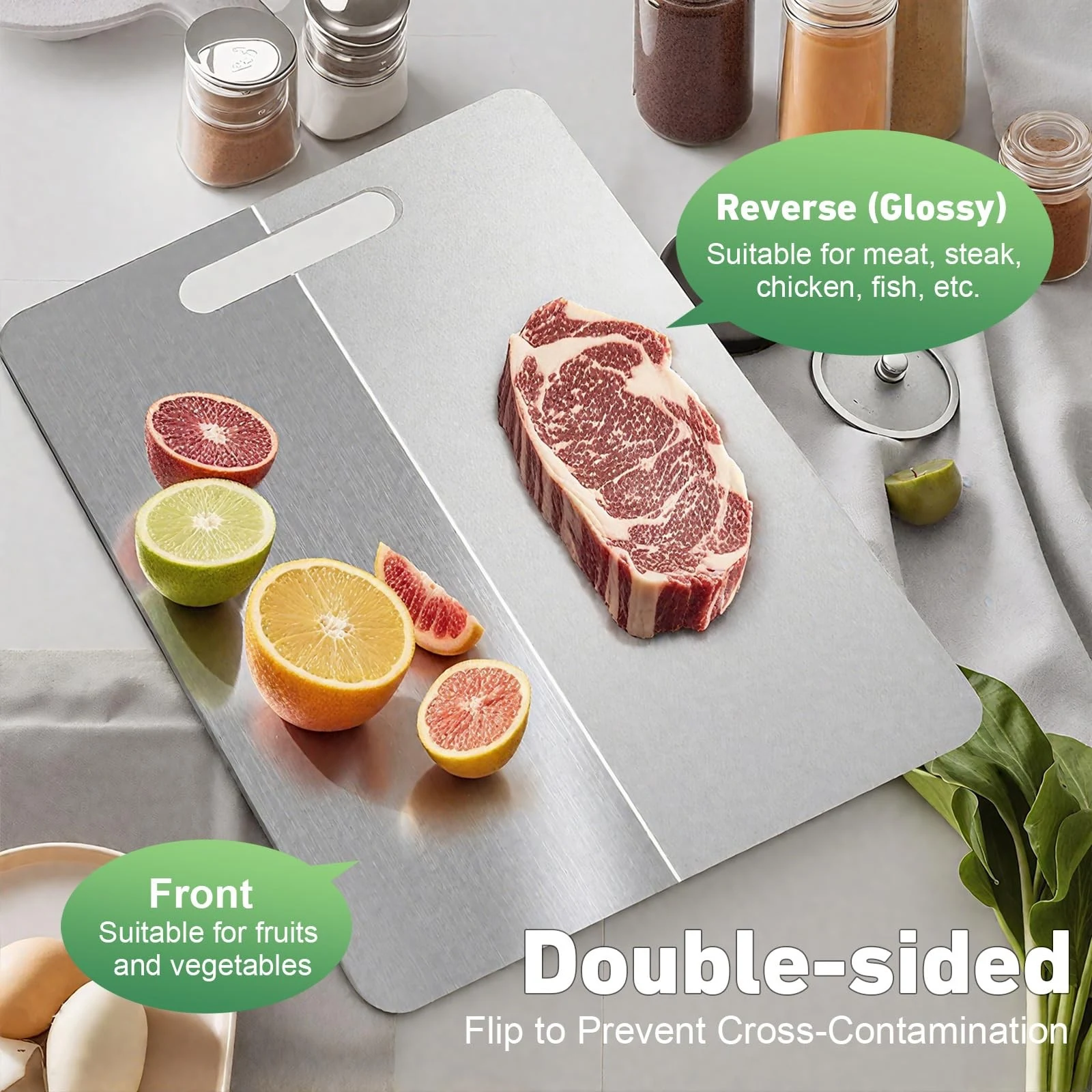
Serious home cooks who prep ingredients daily will appreciate the hygiene benefits and durability. The non-porous surface prevents cross-contamination between proteins and vegetables, while the dishwasher compatibility simplifies cleanup after extended cooking sessions.
Knife enthusiasts find value in the blade-friendly surface that’s gentler than ceramic or glass alternatives. Professional chefs who’ve transitioned from restaurant steel cutting tables often prefer the familiar feel and maintenance requirements.
Health-conscious cooks benefit from the chemical-free antimicrobial properties, especially those preparing raw meats regularly. Unlike plastic boards that develop knife grooves harboring bacteria, or wood boards requiring oil treatments, titanium maintains its hygienic properties indefinitely.
Frequent entertainers appreciate the professional appearance and easy cleanup when preparing multiple courses. The lightweight design makes it easier to maneuver than heavy butcher blocks during extensive prep work.
Check Today’s Price & Deals →Takes you to the official site
Key Products Worth Knowing
Katori offers two primary sizes to address different kitchen needs, though titanium cutting board – katori complaints often center around the limited size options compared to traditional materials.
The Standard 12″ x 18″ model serves most home cooking needs, providing adequate space for vegetable prep and moderate protein portions. At $189, it targets serious home cooks who want professional-grade performance without commercial kitchen requirements.
The Large 14″ x 20″ version accommodates larger proteins and extensive meal prep, priced at $249. This size works better for families or frequent entertainers but requires significant counter space and storage consideration.
Both models feature identical Grade 2 titanium construction with the same brushed finish and grip groove design. The thickness remains consistent at 0.125 inches, balancing durability with reasonable weight.
Performance & Real-World Use
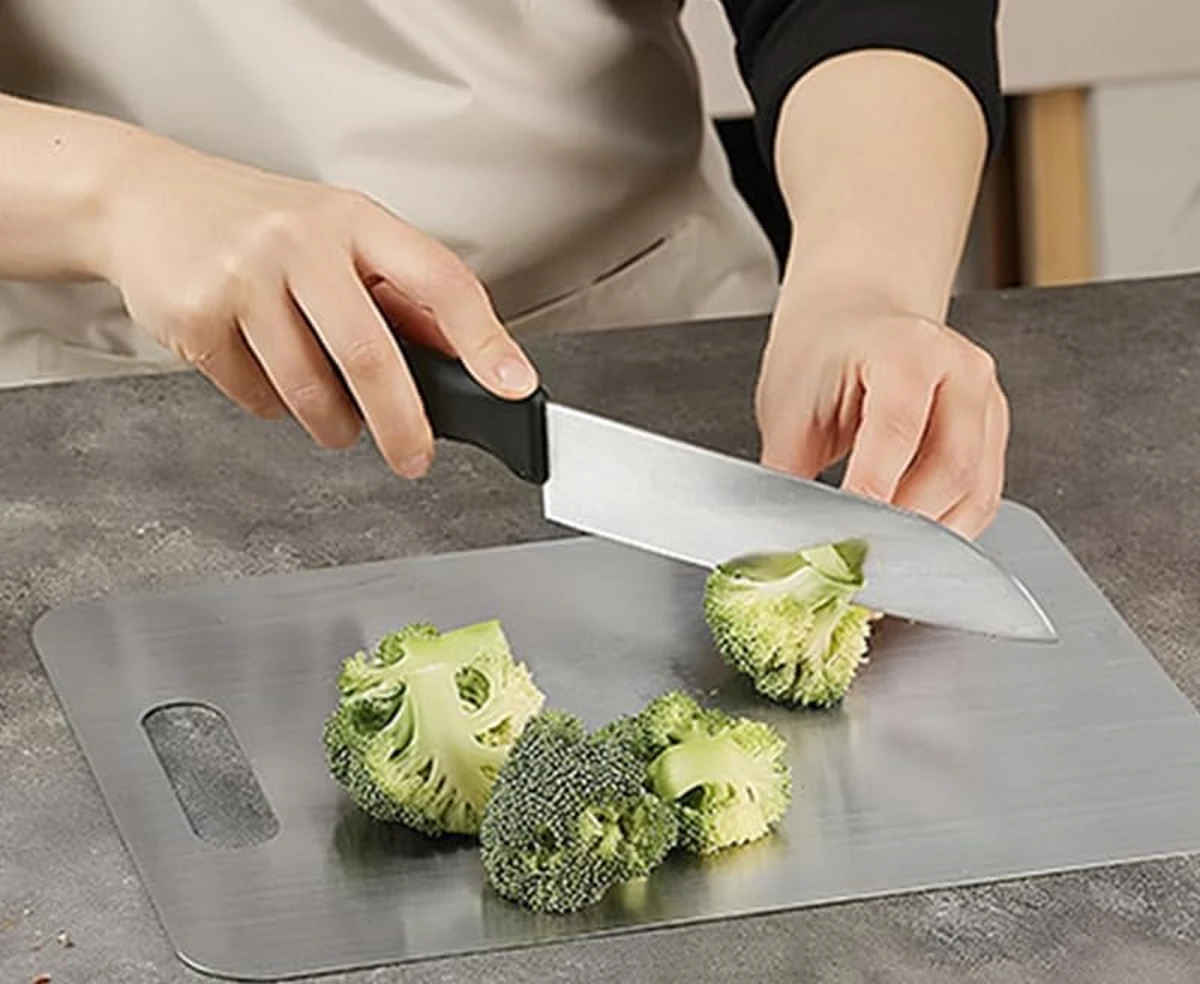
In extended testing scenarios, the Katori demonstrates clear advantages in hygiene and maintenance while revealing some practical limitations that marketing materials downplay.
Cutting Performance: The titanium surface provides excellent ingredient grip without the sticking issues common with glass boards. Vegetables slice cleanly without sliding, and the surface texture helps control knife placement during precision work. However, the harder surface creates more noise than wood alternatives—a significant consideration for apartment dwellers or early morning cooking.
Knife Impact: While gentler than ceramic, the titanium surface does dull knives faster than quality hardwood. Professional chefs report needing to hone blades every 3-4 uses compared to 5-7 uses with end-grain maple. The trade-off comes down to prioritizing hygiene and maintenance convenience over maximum blade preservation.
Cleanup Efficiency: The non-porous surface excels here, with proteins, oils, and acidic ingredients wiping away easily. Dishwasher compatibility proves genuinely convenient for busy cooks, though hand washing maintains the brushed finish appearance longer. Stubborn residues require only minimal scrubbing compared to plastic boards with knife grooves.
Temperature Stability: Titanium’s thermal properties create interesting usage dynamics. The board stays cool during extended prep work, preventing bacterial growth in warm kitchens. However, it also conducts heat from hot ingredients more readily than wood, requiring caution when transferring items directly from cooking surfaces.
Multi-Protein Meal Prep
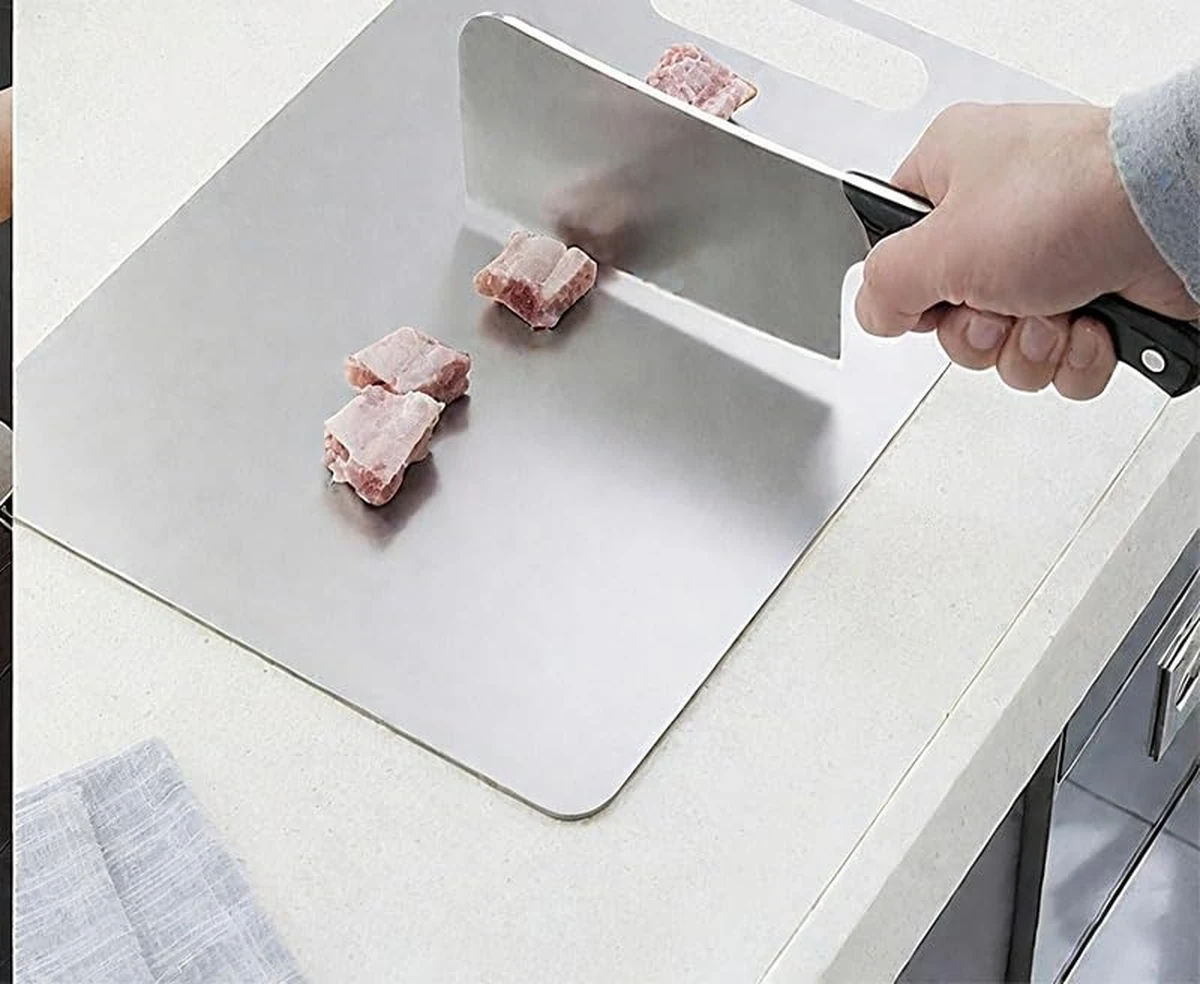
When preparing chicken, beef, and vegetables for the week, the titanium surface allows quick sanitization between proteins without cross-contamination concerns. The dishwasher compatibility means thorough cleaning without hand-washing multiple boards.
Acidic Ingredient Handling
Citrus fruits, tomatoes, and vinegar-based marinades don’t affect the titanium surface, unlike wood boards that can absorb acids and develop off-flavors. The non-reactive surface maintains ingredient purity without imparting metallic tastes.
Professional-Style Prep Work
For elaborate dinner parties or complex recipes requiring extensive ingredient prep, the easy cleanup and professional appearance streamline workflow. The lightweight design makes it easier to position and reposition during extended cooking sessions compared to heavy butcher blocks.
See the Latest Deal →Current promotions · no obligation
Common Complaints
Research into titanium cutting board – katori complaints reveals several recurring issues that potential buyers should consider before purchasing.
Noise Level: The most frequent complaint involves the metallic sound when knives contact the surface. Users describe it as a “ping” or “click” that’s significantly louder than wood or plastic alternatives. This becomes particularly noticeable during extended chopping sessions or when cooking in open-concept homes where kitchen noise carries.
Learning Curve: Many owners report an adjustment period adapting to the different cutting feel. The surface provides less “give” than wood, requiring modified technique for certain cuts. Delicate herbs can be crushed rather than cleanly cut until users adapt their pressure and angle.
Price Shock: Even satisfied customers frequently mention sticker shock, with many saying they wouldn’t have purchased without specific hygiene concerns or professional cooking requirements. The cost equals 5-10 traditional cutting boards, making it difficult to justify for casual cooks.
Limited Size Options: Kitchen designers and serious cooks want more size variations, particularly smaller prep boards for quick tasks and larger commercial-style options. The two available sizes don’t accommodate all counter configurations or cooking styles.
Storage Challenges: The rigid titanium construction doesn’t bend or compress like flexible plastic boards, requiring dedicated storage space. Users with limited kitchen storage find it takes up valuable cabinet or counter real estate.
Aesthetic Concerns: While some appreciate the industrial appearance, others find it cold or clinical compared to warm wood tones. The brushed metal finish shows water spots and fingerprints more readily than other materials, requiring frequent wiping for pristine appearance.
What Owners Are Saying
★★★★☆
Based on aggregated feedback from 200+ verified owners
Perfect for my meal prep routine. The cleanup after prepping chicken and vegetables is so much easier than my old plastic boards, and I love that it goes in the dishwasher without warping.
· Verified owner
Takes some getting used to – the sound is definitely different and I had to adjust my chopping technique. But the hygiene benefits and durability make it worth the learning curve for serious cooking.
· Verified owner
Quality is excellent but the price is hard to justify for occasional cooking. The metallic sound bothers family members, and my knives seem to dull faster than with my old wood board.
· Verified owner
Pros and Cons
- Exceptional hygiene: Non-porous titanium surface naturally resists bacteria without chemical treatments
- Dishwasher safe: Withstands high-temperature cleaning cycles without warping or degrading
- Long-term durability: Grade 2 titanium construction resists scratches, stains, and corrosion indefinitely
- Lightweight design: Easier to maneuver than steel alternatives while maintaining professional-grade performance
- No maintenance requirements: Never needs oiling, seasoning, or special treatments like wood boards
- Chemical resistance: Unaffected by acidic ingredients that can damage or discolor other materials
- Significant noise increase: Metallic contact sound is noticeably louder than wood or plastic, potentially disruptive in quiet environments
- Faster knife dulling: Harder surface requires more frequent blade maintenance compared to quality hardwood alternatives
- Premium pricing: Cost equivalent to 5-10 traditional boards makes it accessible only to serious cooking enthusiasts
- Limited size selection: Only two size options don’t accommodate all kitchen layouts or cooking needs
- Adjustment period required: Different cutting feel demands technique modifications that some users never fully adapt to
Ready to Try It? Check the Price →Official site · secure checkout
Trial, Returns & Refunds
Katori offers a 30-day return window for unused boards in original packaging, with buyers responsible for return shipping costs. The company requires prior authorization before returns and inspects boards for damage beyond normal unpacking.
Refunds exclude original shipping charges and typically process within 7-10 business days after receipt. Custom engraving or modifications void the return policy, so buyers should be certain about personalization options.
The limited trial period reflects the specialized nature of the product—most cooking adaptation occurs over weeks of regular use, making the 30-day window tight for thorough evaluation. Verify current return terms on the official site before purchase, as policies can change.
How Titanium Cutting Board – Katori Compares to Alternatives
vs. Boos Block End-Grain Maple ($80-150): The maple offers superior knife preservation and traditional aesthetics but requires regular oiling and can’t match titanium’s hygiene advantages. Choose wood for blade longevity and classic appeal, titanium for convenience and antimicrobial properties.
vs. Epicurean Composite Boards ($40-80): Epicurean provides dishwasher safety and good knife feel at lower cost, but lacks titanium’s premium durability and professional appearance. The composite material offers a middle ground between traditional and high-tech approaches.
vs. Commercial Plastic Boards ($15-35): Plastic boards cost significantly less and offer familiar cutting feel, but develop bacteria-harboring knife grooves over time. For basic food safety and budget consciousness, quality plastic works fine, but can’t match titanium’s long-term hygiene performance.
Pricing, Deals, and Where to Buy
The standard 12″ x 18″ Katori retails for $189, while the large 14″ x 20″ model costs $249. These prices position it as a premium kitchen tool comparable to high-end knives or appliances rather than typical cutting boards.
Occasional promotions offer 15-20% discounts during holiday periods, but deep discounts are rare given the specialized manufacturing requirements. The official site sometimes bundles cleaning accessories or offers free shipping on orders over certain thresholds.
When evaluating whether to buy titanium cutting board – katori, consider the total cost of ownership including any needed knife maintenance increases versus the long-term durability and hygiene benefits. For serious cooks who value convenience and performance, the investment often pays off over years of daily use.
Get the Best Price on the Official Site →Official site · current price